-
TOP STORY
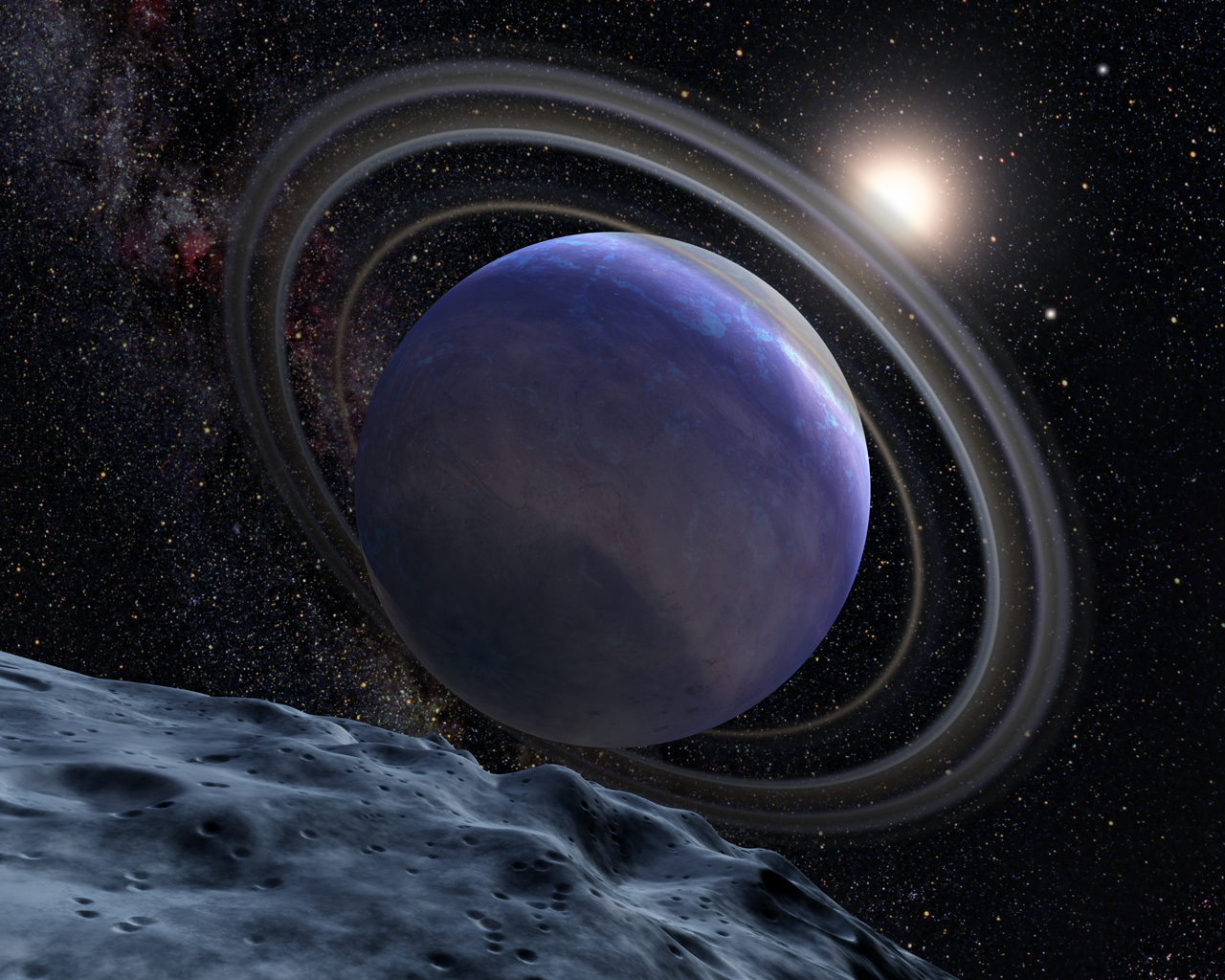
Alien light forms
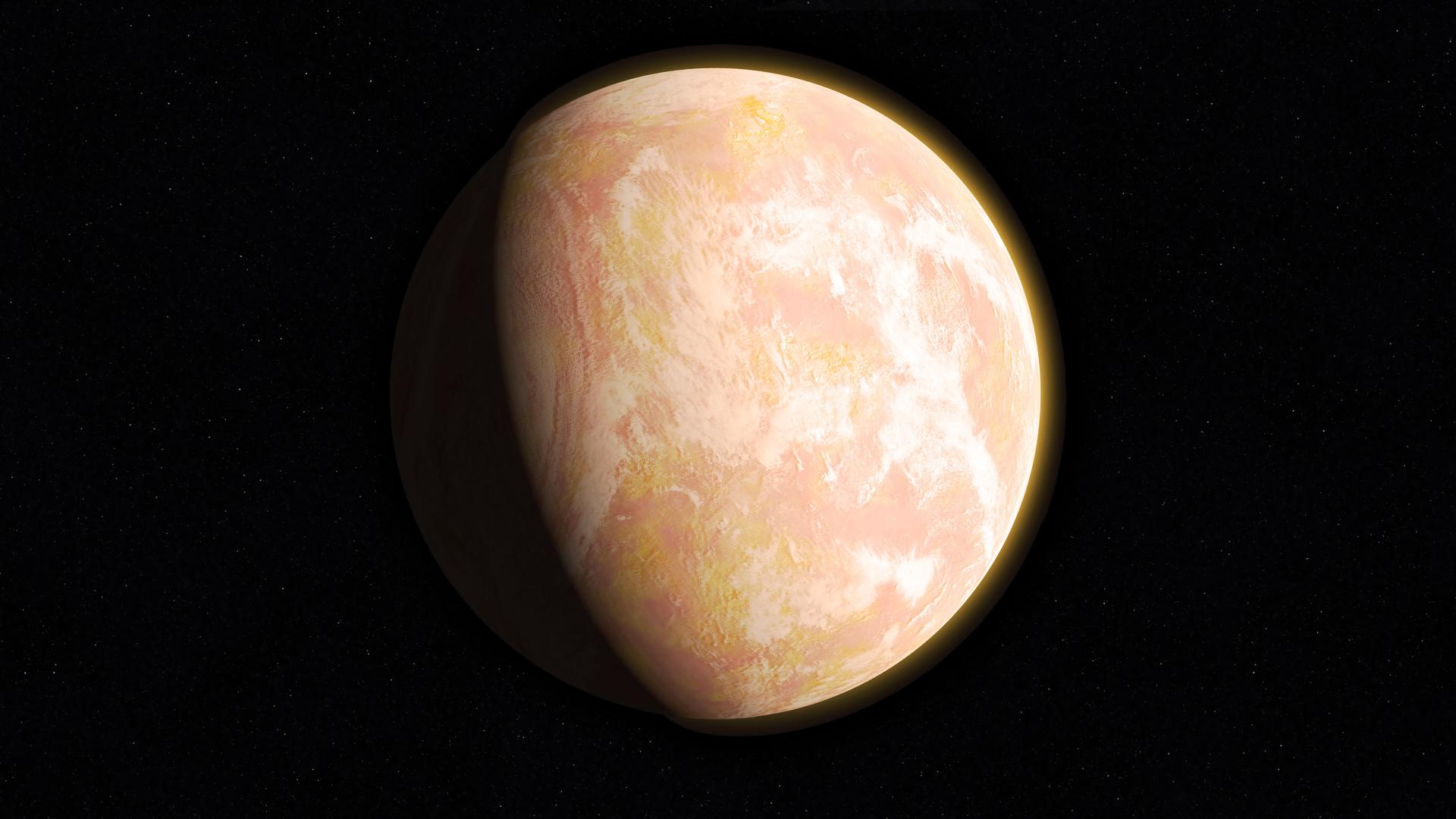
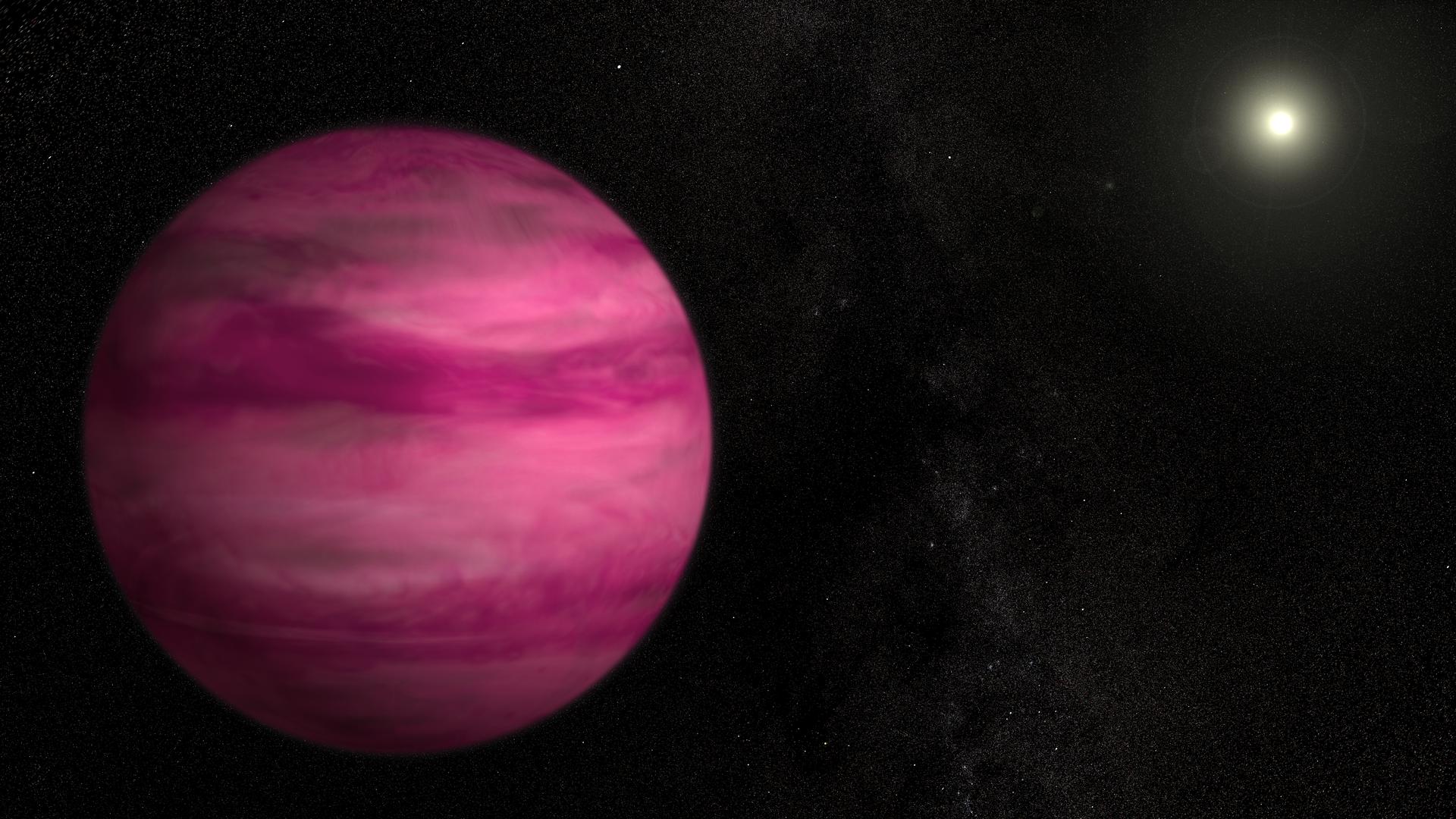
NASA's Spitzer Space Telescope has detected light emanating from a "super-Earth" planet beyond our solar system for the first time. While the planet is not habitable, the detection is a historic step toward the eventual search for signs of life on other planets.
read more -
FEATURED MEDIA
Flower power
The flower you see in this animation isn’t NASA’s attempt to celebrate the coming of spring. It’s actually the latest design in a cutting-edge effort to take pictures of planets orbiting stars far from the sun.
read more -
TOP STORY
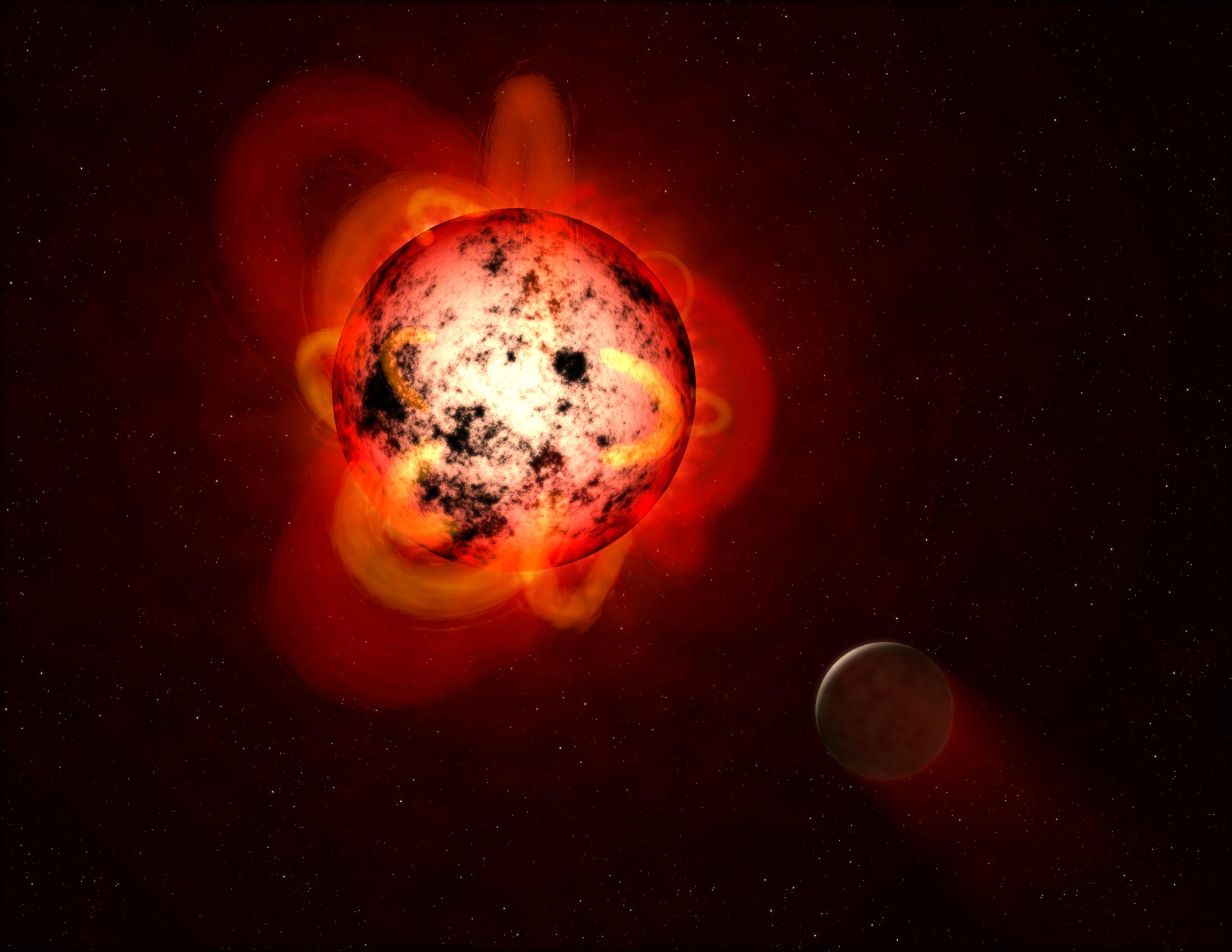
Bounty of red dwarf worlds
A new result from ESO’s HARPS planet finder shows that rocky planets not much bigger than Earth are very common in the habitable zones around faint red stars. The international team estimates that there are tens of billions of such planets in the Milky Way galaxy alone, and probably about one hundred in the Sun’s immediate neighborhood.
read more -
TOP STORY
Steam sphere
Observations by NASA's Hubble Space Telescope have come up with a new class of planet, a waterworld enshrouded by a thick, steamy atmosphere. It's smaller than Uranus but larger than Earth.
read more -
TOP STORY
Huge, but habitable?
A newly-discovered super-Earth in a triple-star system could potentially be an Earth-like planet.
read more -
INTERACTIVE
Extreme Planet Makeover
read more
NEWS
-
May 08, 2012
Alien light forms
NASA's Spitzer Space Telescope has detected light emanating from a "super-Earth" planet beyond our solar system for the first time.
› read article -
April 04, 2012
Exo-extension
NASA's Kepler mission has been approved for extension through fiscal year 2016 based on a recommendation from the Agency’s Senior Review of its operating missions.
› read article -
March 29, 2012
Bounty of red dwarf worlds
A new result from ESO’s HARPS planet finder shows that rocky planets not much bigger than Earth are very common in the habitable zones around faint red stars. The international team estimates that there are tens of billions of such planets in the Milky Way galaxy alone, and probably about one hundred in the Sun’s immediate neighbourhood.
› read article -
February 21, 2012
NASA's Hubble reveals a new class of extrasolar planet
Observations by NASA's Hubble Space Telescope have come up with a new class of planet, a waterworld enshrouded by a thick, steamy atmosphere. It's smaller than Uranus but larger than Earth.
› read article -
February 02, 2012
Huge, but habitable?
A newly-discovered super-Earth in a triple-star system could potentially be an Earth-like planet.
› read article -
-
January 11, 2012
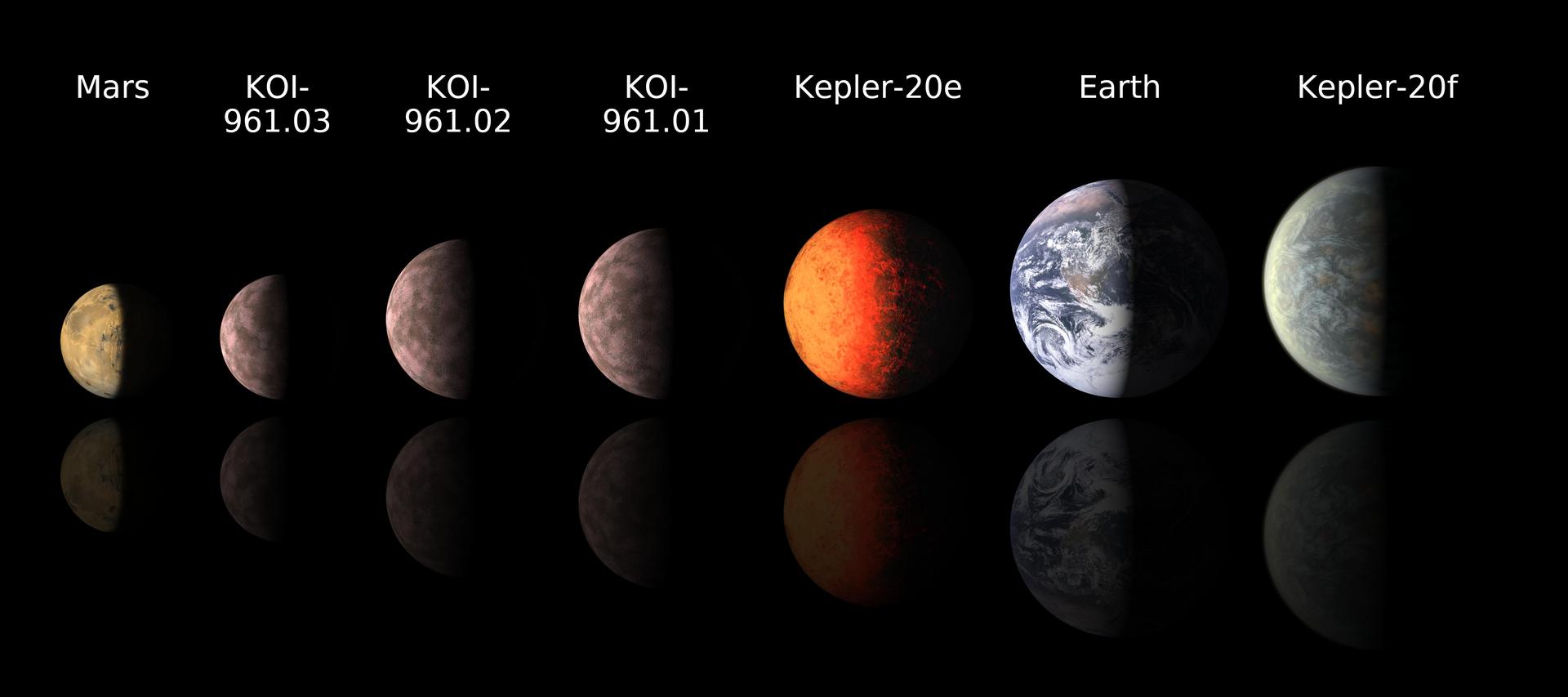
Tiny trio
Astronomers using data from NASA's Kepler mission have discovered the three smallest planets yet detected orbiting a star beyond our sun.
› read article -
January 11, 2012
Plenty of planets
Our Milky Way galaxy contains, on average, a minimum of one planet for every star, according to a new statistical study.
› read article -
January 01, 2012
Kepler's big year
2011 showed NASA's Kepler mission finding its stride. 2012 could be even bigger.
› read article -
December 20, 2011
Sisters in size
NASA's Kepler mission has discovered the first Earth-size planets orbiting a sun-like star outside our solar system.
› read article
FEATURED IMAGE
The flower you see in this picture isn’t NASA’s attempt to celebrate the coming of spring. It’s actually the lat...
more images